Cash Advance: Get 250 Fast
KOMPANIIA LORENS PPFinance
4.7992.00 Reviews
- Version
- 1.2.2
- Installs
- 100.00K
- Age Rating
- Everyone
Screenshots
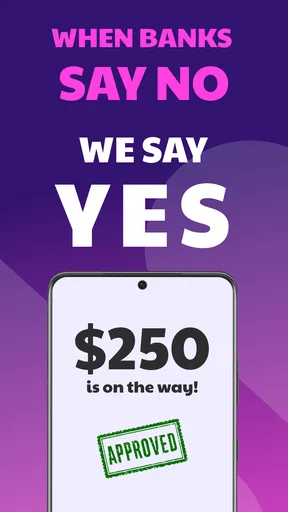
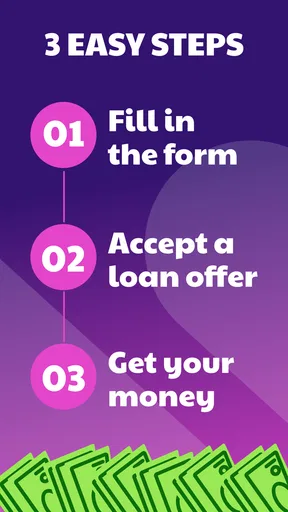
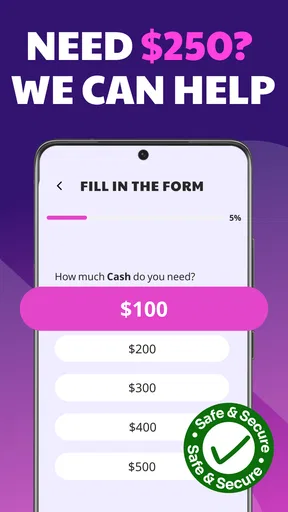
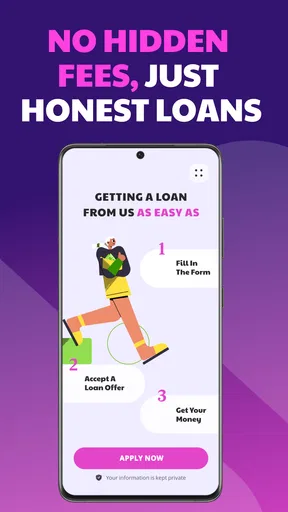
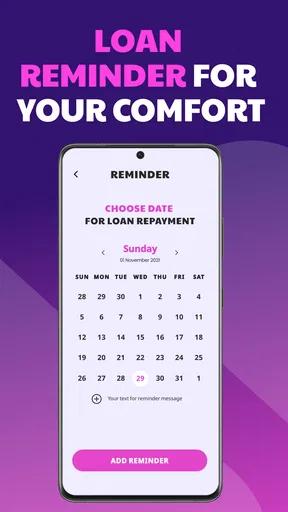
Our Review of Cash Advance: Get 250 Fast
 Analysis by Appyee
I approached Cash Advance: Get 250 Fast as a finance app for short-term cash needs rather than as a general budgeting tool. Its promise is easy to understand: complete a simple process, look for a cash advance, and avoid a recurring subscription charge. That straightforward idea is its biggest attraction, but it also means the app deserves a more careful look than its brief store wording might suggest. A cash advance can solve a timing problem, yet it can also become an expensive habit if I stop treating it as an emergency bridge.
The app is published by KOMPANIIA LORENS PP and is available free of charge for users whose device runs Android 7.0 or later. It sits in the finance category, carries an Everyone age rating, and has reached over one hundred thousand installs. The current release is version 1.2.2, while its average score is 4.7 from around twenty-five thousand ratings. Those figures suggest that many people find the basic experience approachable, although popularity should not be confused with suitability for every financial situation.
What using Cash Advance feels like over time
Over time, I’d judge the app less by how quickly I can open it and more by whether it helps me make a measured choice when money is tight. Keeping a simple record of the reason for borrowing and the repayment outcome can reveal whether the need was truly unusual or becoming a pattern. That longer view also makes it easier to decide when another kind of support would be a better fit.
The first-week appeal is clear, but the decision still needs care
During the first few days, the main benefit is the app’s narrow focus. I do not have to learn a complete banking platform, build a detailed investment profile, or set up a long-term money-management system before considering a short-term advance. The product presents itself around cash access, and that makes it easier to understand when I am dealing with a specific gap between an upcoming bill and my next income.
The absence of a subscription fee is an important part of that first impression. A recurring charge would be especially frustrating in an app I might only open during an occasional emergency. Free installation also lowers the barrier to trying it, but I would not interpret that as meaning an advance itself is cost-free. Before accepting anything, I would carefully examine the repayment amount, timing, eligibility conditions, and any charges shown during the process. The app’s download price and the financial cost of borrowing are two different things.
A realistic use case would be a delayed paycheck arriving shortly after a utility bill, transport expense, or necessary grocery purchase. In that situation, a small advance may feel more practical than missing a payment or using a credit card with a higher balance. I would first write down the amount needed and the date when repayment would be manageable. That small step prevents the app from turning a vague feeling of urgency into a larger borrowing decision.
The first-week experience is also when I would decide whether the application is understandable enough to trust with a sensitive financial task. I would read every screen instead of tapping through quickly, check that the requested amount is correct, and save any confirmation details. If the wording around repayment feels unclear, I would stop rather than assume the most favorable interpretation. For a finance app, clarity matters more than speed.
What the app is useful for, and where it should not be used
This app makes the most sense for someone facing a temporary cash-flow mismatch who already knows how the repayment will fit into the next budget. It is less suitable for covering a recurring shortfall, paying one loan with another, or funding discretionary purchases. If rent, food, or transportation regularly require borrowing before every payday, the underlying problem is larger than a quick-advance app can solve.
I would also avoid treating it as a replacement for a proper emergency fund. A savings account, even one built slowly through small automatic transfers, is usually more sustainable because it does not create a repayment obligation. A conventional bank overdraft may be preferable in some cases, while a credit union or employer-based option could offer terms that are easier to understand. The better alternative depends on the actual cost and repayment schedule, not on which application opens fastest.
One useful habit is to compare the total amount repaid with the amount received before making a decision. I would also compare that difference with the likely cost of the alternatives available to me. A fast process is valuable only when the full obligation is affordable. If the app makes me focus on receiving money while hiding the importance of returning it, I would consider that a reason to walk away.
Month-to-month value depends on restraint
Unlike a budgeting app that can become part of a weekly routine, a cash-advance service has limited recurring value when used responsibly. Its long-term usefulness comes from being available when an unusual timing problem appears, not from encouraging me to open it every payday. That is an important distinction. The strongest outcome is not frequent use; it is having a clearly understood option that I can evaluate and decline when it does not fit.
After the initial need has passed, I would keep the app only if its presence helps me make a more informed choice during future emergencies. I would review my own borrowing history, note what caused the shortfall, and decide whether the same situation can be prevented. For example, if a predictable annual bill caused the problem, setting aside a small amount each month is better maintenance than repeatedly seeking advances when the due date arrives.
The free model also changes how I judge its lasting value. Since there is no subscription fee to keep paying simply for access, the app is less burdensome to leave installed than a paid financial service. Still, free access does not automatically justify keeping every finance app on a phone. I would remove it if I no longer needed the service, especially if seeing it makes borrowing feel like a normal part of my monthly plan.
Its audience size and strong average rating indicate that the concept has found an audience, but those signals cannot tell me whether the repayment terms suit my circumstances. Reviews can help reveal whether people find the workflow easy, yet I would still make my decision from the actual offer presented to me. Financial products are personal: a convenient option for one user may be unsuitable for another with a tighter budget or less predictable income.
Maintenance is light, but financial maintenance is the real work
From a phone-management perspective, maintaining the app should be relatively simple. The release is identified as version 1.2.2, and the Android requirement reaches back to version 7.0, so it is accessible on many older devices. I would keep the application updated through the normal app-store process and use a secure device lock, because a finance app should not be left casually accessible on a shared phone.
The more demanding maintenance happens outside the interface. I would record the repayment date in my calendar, keep enough money available in the relevant account, and check the final balance after repayment. I would not rely on memory or assume that receiving an advance ends the task. A missed date can create stress precisely when the original cash problem was supposed to have been resolved.
Another practical step is to review the permissions and notifications shown by the operating system, then keep only alerts that help me act. A repayment reminder can be useful; constant promotional prompts would be less welcome. If notifications become distracting, I would adjust them rather than allowing the app to shape my spending decisions through urgency.
I would also keep copies of important transaction information until the obligation is fully settled. That does not require complicated recordkeeping: a dated note with the amount received, the amount due, and the repayment date is enough for a personal check. This simple workflow is one of the best ways to catch a misunderstanding early.
The main sources of fatigue appear after the emergency
The first source of fatigue is repetition. A quick advance can feel like a relief once, but using the same solution month after month creates a cycle in which the next payday is already partly spent. The app may remain easy to open, yet the financial pressure becomes harder to manage. I would judge the product harshly if it encouraged me to see repeated borrowing as normal rather than temporary.
A second source is uncertainty. When I am short on cash, I want to know exactly what I will receive and exactly what I will repay. Any screen that requires careful reading is not necessarily a flaw, but unclear language or a rushed decision path would make the experience tiring. I would rather spend a few extra minutes reviewing terms than discover an important condition after accepting an advance.
A third issue is the gap between the app’s simple presentation and the complexity of personal finances. The service can help with access, but it cannot tell me whether borrowing is wise in the context of rent, existing debts, irregular income, or upcoming expenses. That judgment remains mine. Users looking for spending analysis, savings goals, bill tracking, or full account management will likely find a dedicated budgeting or banking app more useful over time.
There is also a psychological cost to keeping an emergency borrowing option constantly visible. For some people, availability creates reassurance. For others, it reduces the motivation to build savings because a fast alternative is always nearby. I would place the app in the second group only if I noticed myself checking it before checking my budget. In that case, uninstalling it could be a healthier financial decision than simply muting notifications.
How it compares with the usual alternatives
Compared with a traditional bank, Cash Advance: Get 250 Fast appears more focused on a short-term cash request than on a broad financial relationship. That focus can make it less intimidating when I need one specific service. A bank, however, may offer a clearer view of my income and expenses, established account tools, or other borrowing products that are easier to compare in one place.
Compared with a budgeting application, this service addresses a shortage after it appears rather than helping me prevent it. A budgeting tool is the better choice when the recurring problem is poor visibility into spending. A savings app is better when I can plan ahead. An employer advance or credit-union product may be worth checking when those options provide more transparent terms or a lower overall cost.
Compared with using a credit card, the right choice depends on the actual repayment cost and my ability to clear the balance. A card may offer a familiar statement and purchase protections, but carrying a balance can become expensive. A cash advance may be more direct, yet directness does not make it automatically cheaper. I would compare total repayment rather than choosing based on convenience alone.
The app’s strongest competitive point is its simple purpose and lack of a subscription charge. Its weakest point, from my perspective, is that simplicity can make a serious financial decision feel deceptively small. That trade-off is manageable when I slow down, calculate the repayment, and use the service only for a defined short-term need.
Who should keep it installed, and who should skip it
I would keep this app in consideration if my income is generally predictable, the need is occasional, and I can identify the exact source of repayment. I would also want enough room in my next budget to handle the obligation without sacrificing essentials. In that narrow situation, having a focused cash-advance option can be practical.
I would skip it if I am already behind on several bills, if I need to borrow for basic expenses every month, or if I cannot explain how repayment will work. I would also choose another financial tool if my main goal is building savings, monitoring spending, improving credit, or organizing multiple accounts. The app is not a complete money-management system, and expecting it to become one would lead to disappointment.
Parents and guardians should also remember that the Everyone rating describes the app’s content suitability, not whether borrowing is financially appropriate for every age or household. I would treat the age label separately from the question of financial readiness. Anyone considering a cash advance should understand the obligation and involve a trusted adult or adviser when needed.
My long-term verdict after the novelty fades
Cash Advance: Get 250 Fast earns lasting space only when I treat it as an occasional tool, not a payday routine. The free download, focused purpose, broad Android compatibility, and strong user response make it easy to consider when a genuine timing problem appears. The developer has kept the concept uncomplicated, which is helpful for someone who wants to investigate a cash advance without entering a large financial platform.
My recommendation is conditional: use it only after checking the complete repayment picture and comparing it with safer or cheaper alternatives. I would set a personal rule before opening the app: borrow only a defined amount, record the repayment date, and do not use a new advance to cover the previous one. That rule matters more than the app’s convenience.
In the end, the product’s recurring value is not measured by how often I return to it. It is measured by whether it helps me handle one short-term problem without creating the next one. If I can repay comfortably and learn from the cause of the cash gap, it may deserve a place on my phone. If it becomes part of my monthly survival plan, I would replace it with budgeting support, savings, or a more sustainable financial solution.
My bottom line: this is a focused option for an occasional cash-flow emergency, but not a substitute for financial stability. I would recommend approaching it slowly, reading every repayment detail, and keeping it only while it serves that limited purpose.
Verdict
Strengths of Cash Advance: Get 250 Fast
- Simple application process with minimal information required
- Fast eligibility checks can save time during urgent situations
- Clear repayment details help users understand borrowing costs
- Useful option for handling unexpected short-term expenses
- Available on mobile for convenient access wherever needed
Limitations of Cash Advance: Get 250 Fast
- Advance fees may make borrowing expensive compared with traditional credit
- Approval and advance amounts can vary by applicant
- Repayment deadlines may be difficult for users with limited income
- Availability may depend on location, employer, or banking provider
- Requires access to personal financial and banking information
Similar Picks in This Category
View All
Google Wallet
Google LLC4.3

Airtel: Recharge, Bank & Loans
Airtel4.0

PayPal - Pay, Send, Save
PayPal Mobile4.2

DANA Indonesia Digital Wallet
PT Espay Debit Indonesia Koe4.5

Binance: Buy Bitcoin & Crypto
Binance Inc.4.8

Cash App
Block, Inc.4.7
Frequently Asked Questions
What is Cash Advance: Get 250 Fast, and how does it work?
Cash Advance: Get 250 Fast is a financial app designed to help eligible users explore short-term cash advance options through their mobile device. After creating an account, you may be asked to provide personal, employment, income, and banking details so the service can assess eligibility. Approval, available amounts, fees, and funding speed are not guaranteed and may depend on the providers available in your location.
Can I really receive up to $250 instantly through the app?
The app’s name refers to the possibility of accessing up to $250, but the actual amount and delivery time can vary considerably. Some users may receive less, while others may not qualify at all. Funding may also depend on identity verification, bank compatibility, business hours, and the terms offered by a third-party lender or cash advance provider. Always review the final offer before accepting it.
What information does Cash Advance: Get 250 Fast require?
To evaluate an application, the service may request identifying information, contact details, employment or income data, and bank account information. This information can be sensitive, so it is important to read the privacy policy and understand how data is collected, stored, shared, and used. Only enter accurate information inside the official app, and avoid submitting details through unofficial websites, messages, or links claiming to represent the service.
Are there fees, interest, or repayment requirements?
A cash advance is not free money and may involve subscription charges, service fees, expedited-transfer fees, interest, or other costs, depending on the offer and provider. Repayment terms can also differ, including the due date and whether automatic withdrawals are used. Before accepting anything, check the total repayment amount, all recurring charges, cancellation rules, and consequences of late or unsuccessful payment.
Is Cash Advance: Get 250 Fast safe and available for everyone?
The app may use security measures to protect account information, but no financial service can eliminate every privacy or fraud risk. Availability and eligibility may be restricted by country, state, age, income, banking status, or credit profile. Download it only from a legitimate app store, verify the developer, review recent user feedback, and never pay an upfront fee or share account credentials outside the official application.
